What Does a Local Move Actually Cost?
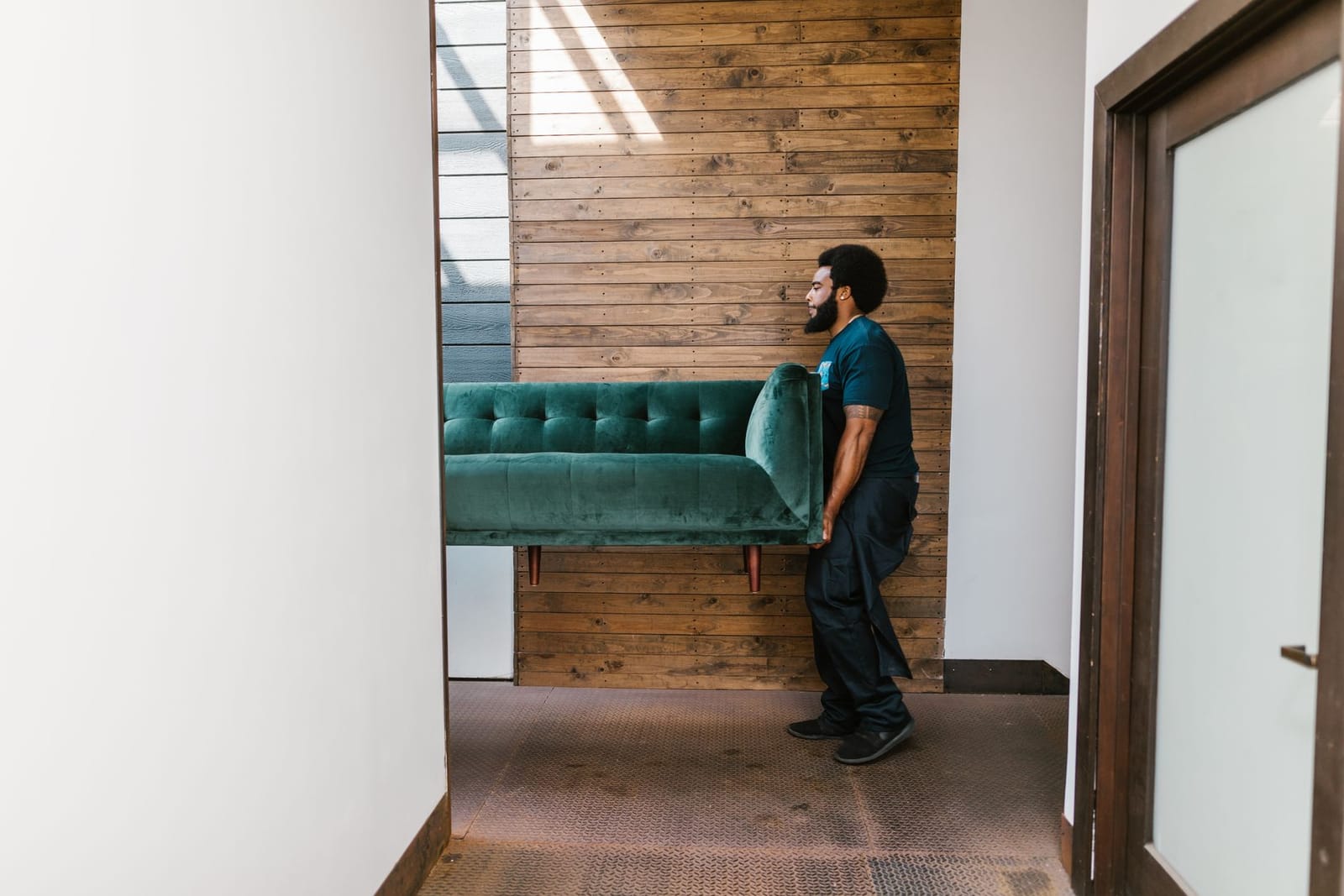
If you're planning a move around the Cape Fear coast, one of your first questions is probably how much it'll cost. The honest answer is that local moving prices vary based on several real factors, and there's no one-size-fits-all number. But we can walk you through what affects your bill and what you should expect to pay.
The biggest cost driver for a local move is how much stuff you're moving. A mover typically charges by the hour or by the weight and volume of your belongings. For a small one-bedroom apartment move in Wilmington, you might pay anywhere from $300 to $800 depending on how many boxes, furniture pieces, and how far you're going within the area. A three-bedroom house move could run $800 to $2,500 or more. These are realistic ranges based on local market conditions, not guaranteed prices—your actual cost depends on your specific situation.
Distance matters too, even for local moves. If you're moving from downtown Wilmington to nearby Wrightsville Beach, that's a shorter haul than moving from Wilmington to Leland or Carolina Beach. Most movers define a local move as anything within 50 miles, and the farther you go, the more you'll pay in fuel and labor time. Always tell your mover the exact pickup and drop-off addresses so they can give you an accurate estimate.
The type of move you choose affects your costs significantly. A full-service move where movers pack, load, transport, and unload everything costs more than a labor-only move where you pack and load but hire help with the heavy lifting. Some people choose a middle ground: they pack boxes themselves but hire movers to handle large furniture and appliances. There's no shame in any approach—it's about what fits your budget and timeline.
Time of year and day of the week can influence pricing too. Moving during peak season (late spring through early fall) typically costs more than moving in winter. Friday and Saturday moves are usually pricier than weekday moves because demand is higher. If you have flexibility, moving on a Tuesday or Wednesday in November or February could save you money compared to a Saturday in June.
Additional services add to your total. Long carries (moving items far from the truck), stairs, elevators that require fees, or specialty items like pianos or pool tables will increase your cost. If you need packing supplies or boxes, some movers sell them, though you can often save money buying boxes yourself from a local supplier or grocery store. Storage is another separate cost if you need a place for your belongings between move-out and move-in.
Here's what matters most: get a free, in-home or detailed phone quote from a licensed and insured local mover. A reputable company will ask you specific questions about your home, what you're moving, and your timeline. They'll provide a written estimate that breaks down labor, mileage, and any additional services. Avoid any mover who gives you a quote over the phone without details or who seems vague about pricing.
Be wary of unusually low quotes—they often mean hidden fees will appear on moving day. A legitimate mover will be transparent about what's included and what costs extra. Check that they're properly licensed and insured; this protects your belongings and gives you recourse if something goes wrong.
If you're ready to move in the Cape Fear area, reach out to Wilmington Moving Pros for a free quote. We'll give you honest pricing based on your actual move, answer your questions, and make sure you know exactly what to expect before moving day arrives.
Dealing with this in the Cape Fear coast? Call (910) 218-9757 for a free movers estimate.